
Hydraulic Pump and Motor: How They Work and How to Size Them
Hydraulic pumps and motors are the core components that generate motion, power, and torque in modern machinery. Whether you are working on industrial equipment, agricultural machinery, construction systems, or power-driven applications, understanding how hydraulic pumps and motors work is essential for performance and safety.
This guide also explains how to size a hydraulic pump and motor correctly in 2025. Our clearance sales are available; check our complete catalog of genuine hydro parts at the best prices.
What Is a Hydraulic Pump?
A hydraulic pump converts mechanical power into hydraulic energy by pushing oil into the system under pressure. Once pressurized, hydraulic flow powers cylinders, actuators, and hydraulic motors.
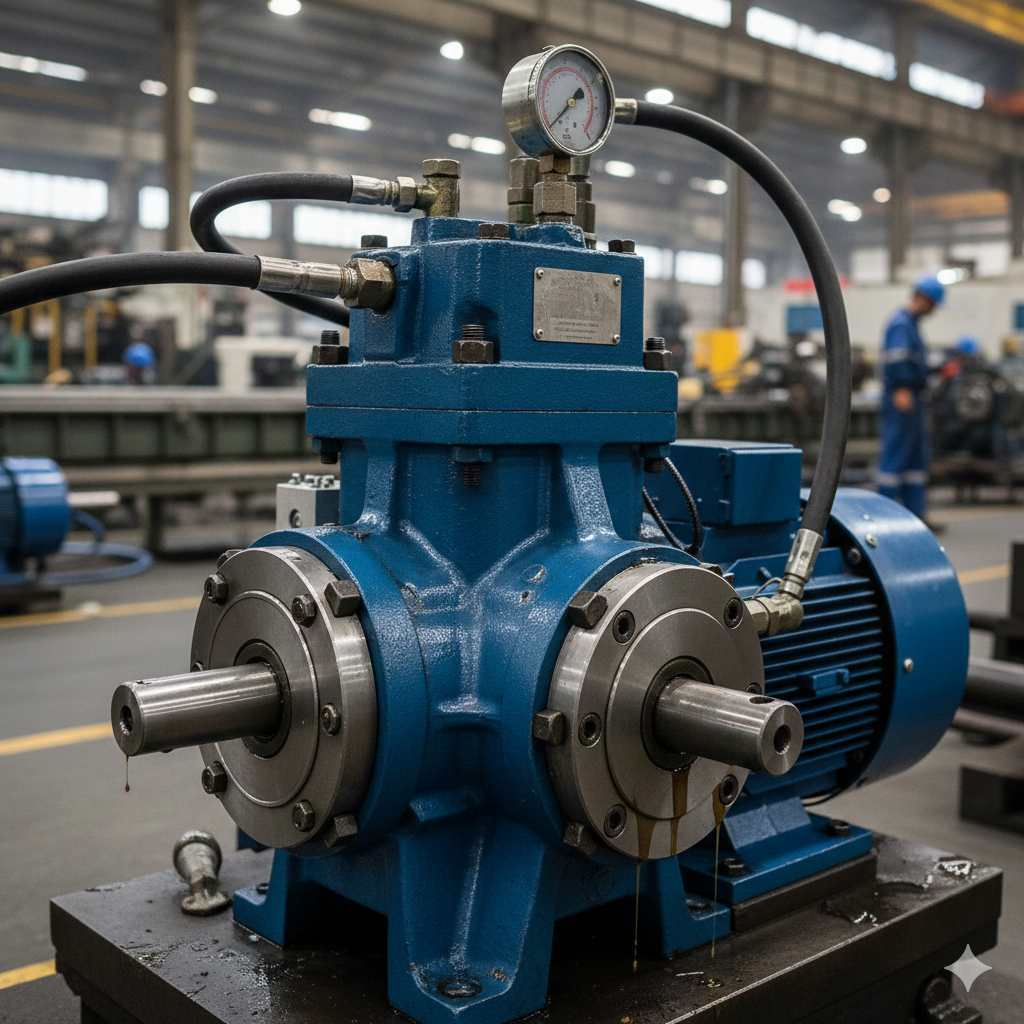
How It Works
- Mechanical energy (from an electric motor or a diesel/gas engine) rotates the pump shaft.
- The pump creates a vacuum at the inlet
- Oil moves from the reservoir into the pump chambers
- The chamber compresses the oil
- Oil is delivered at high pressure into hydraulic lines
The hydraulic pump generates flow, not pressure. Pressure builds due to load resistance (motor, cylinder, or restriction).
Types of Hydraulic Pumps
- Gear Pumps (simple, rugged, cost-efficient)
- Piston Pumps (high-pressure, high-efficiency)
- Vane Pumps (smooth operation, low noise)
Most mid-to-heavy-duty modern systems rely heavily on piston pump designs due to durability and pressure output.
What Is a Hydraulic Motor?
A hydraulic motor converts hydraulic energy (flow + pressure) back into mechanical power. This rotating movement drives:
- Wheel hubs
- Augers
- Winches
- Rotary attachments
- Track drives
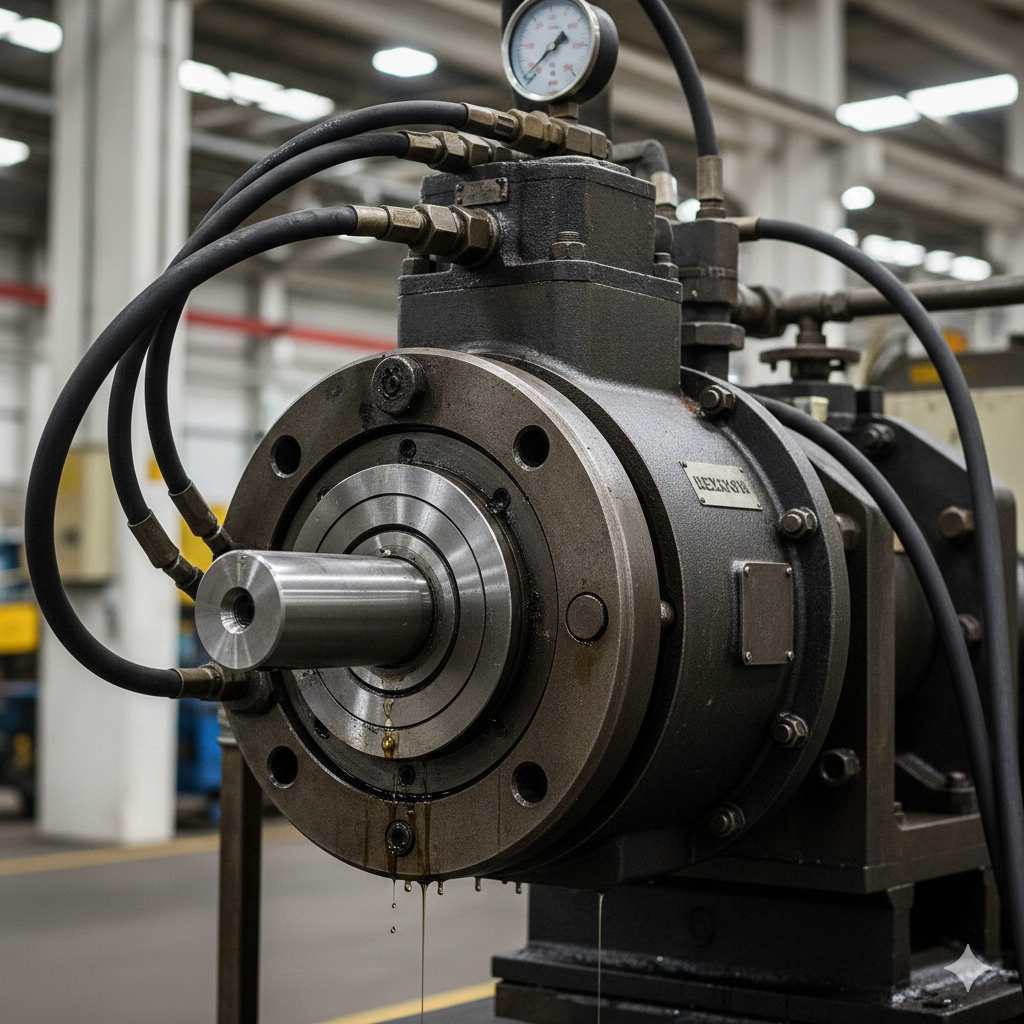
How a Hydraulic Motor Works
- Pressurized oil enters the motor inlet
- Oil forces internal chambers to rotate
- The output shaft delivers torque
- Low-pressure oil exits back to the tank
Torque output is determined by pressure × displacement.
Hydraulic Pump and Motor Flow Relationship
At a basic level:
Pump creates flow → Motor converts flow into rotation
If pump flow increases, → Motor RPM increases. If system pressure rises, → Motor torque increases
How to Size a Hydraulic Pump and Motor (2025 Method)
You must define the required speed and torque for the application. Below is the relationship used in modern hydraulic sizing.
Step-by-Step Sizing Table
| Sizing Step | What to Determine |
|---|---|
| 1. Define RPM or rotational speed needed | How fast the driven component must rotate (e.g., 180 RPM wheel hub) |
| 2. Define torque requirements | For lifting, pulling, pushing, or driving |
| 3. Determine available pump pressure | Example: 3,000 PSI system pressure |
| 4. Select motor displacement | Motor displacement = torque ÷ pressure |
| 5. Size the pump to match the desired speed | Pump GPM determines motor RPM |
Basic Hydraulic Sizing Formulas
Motor Speed
RPM = (GPM × 231) ÷ displacement
Motor Torque
Torque (in-lb) = (PSI × displacement) ÷ 6.28
Correct Matching Rule
Pump GPM must deliver the required motor RPM
System pressure must deliver the required torque loads
Common Sizing Examples
Example 1: Compact Drive System
Goal: 100 RPM drive at medium torque
Typical Specification:
- 8–12 GPM pump
- 18–22 cu in hydraulic motor
- 2,500–3,000 PSI
Example 2: High-Torque Winch
Goal: very slow speed but high pulling torque
Typical Specification:
- Low RPM motor
- 30+ cu in displacement
- 2,800+ PSI
Hydraulic Pump & Motor FAQs
Does pump pressure determine system force?
No—pressure results from the load. The pump creates flow; the load sets pressure.
How often should a hydraulic pump be replaced?
Most industrial pumps run 6–10 years depending on duty cycle, heat level, and filtration quality.
Can mismatched pump/motor sizing cause damage?
Yes. Oversized motors cause overheating; undersized pumps cause slow motion and an increased risk of cavitation.
Does motor displacement affect torque?
Yes—larger displacement = higher torque at the same PSI.
Final Thoughts
Hydraulic pumps generate flow, and hydraulic motors convert that flow into motion and torque. The key to proper operation is sizing each component based on speed and load requirements, pressure capability, and volume demand. When properly matched, hydraulic systems operate cooler, stronger, safer, and longer.
If your application requires precise hydraulic pump or motor genuine replacements, sizing verification, or system upgrades, review your model specifications before purchasing components to maintain proper performance.
Recent Posts
-
Hydraulic Pump and Motor: How They Work and How to Size Them
Hydraulic pumps and motors are the core components that generate motion, power, and torque in moder …Dec 9th 2025 -
How to Pump Up Hydraulic Lifters and How Long It Takes
Hydraulic lifters are a critical part of your engine’s valve train system, responsible for maintaini …Nov 3rd 2025 -

How to Check a Hydraulic Pump: A Complete Manual
You must check your hydraulic pump for safety, efficiency, and dependability. Regardless of whether …Oct 2nd 2025